May 26, 2026
Maintaining an attractive and functional smile requires a consistent commitment to professional healthcare routines. Many individuals overlook the necessity of routine oral examinations, postponing their appointments until they experience severe discomfort or noticeable structural damage. However, preventive care is the cornerstone of lifelong oral health, serving as the primary defense against systemic complications and costly restorative procedures. Prioritizing consistent checkups ensures that minor issues are identified and addressed long before they escalate into painful emergencies that compromise your overall well-being.
Investing in your oral health influences your general physical wellness far beyond the boundaries of your mouth. Scientific research continually demonstrates a strong correlation between periodontal health and systemic conditions, including cardiovascular disease and diabetes. By establishing a reliable relationship with a trusted professional team, you protect your body from harmful bacteria and inflammation that can spread through the bloodstream. This comprehensive guide outlines the vital reasons why prioritizing routine care is essential for protecting your smile and enhancing your quality of life.
Preventing Structural Decay
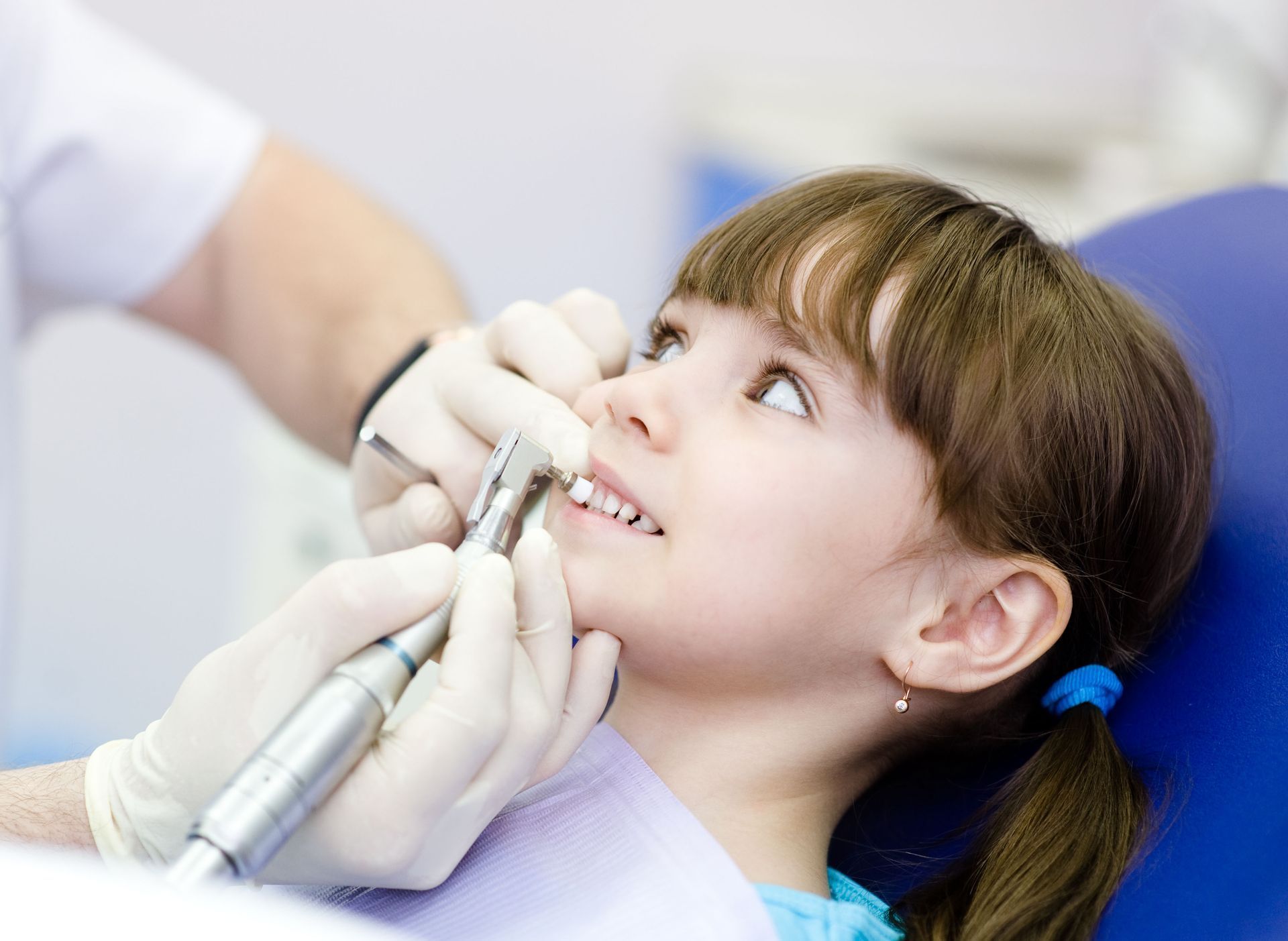
The development of tooth decay is a gradual process that often begins without any noticeable symptoms or discomfort. Regular cleanings remove stubborn plaque and tartar deposits that accumulate in hard-to-reach areas of the mouth, preventing the harmful bacteria from eroding your protective enamel. When these deposits are left unaddressed, they secrete acidic substances that steadily destroy the underlying tooth structure, leading to permanent damage. Consistent clinical interventions ensure that your enamel remains strong and capable of resisting daily wear and tear.
When decay goes unnoticed or ignored for extended periods, it can lead to widespread health challenges within the general population. According to the CDC, 1 in 5 adults (21%) aged 20 to 64 years have at least one untreated cavity. This statistic highlights the widespread nature of hidden decay and emphasizes the critical need for proactive intervention across all age groups. Utilizing professional diagnostic tools allows clinicians to intercept these issues early, preventing the need for complex root canals or extractions down the road.
Monitoring Periodontal Health
The health of your gums is just as critical as the integrity of your teeth when it comes to maintaining a stable and functional smile. Early stages of periodontal disease often manifest as subtle swelling, redness, or minor bleeding during brushing, which many people mistakenly dismiss as normal. Professional evaluations allow hygienists to measure the depth of the spaces around your teeth, identifying early signs of infection before it damages the supporting tissue. Catching inflammation in its infancy allows for conservative treatments that completely reverse the condition.
Advanced periodontal disease can cause the supporting bone structure to deteriorate, ultimately leading to tooth mobility and eventual loss. Once the infection reaches this advanced stage, managing the condition requires intensive therapeutic procedures and frequent maintenance visits to halt further bone degradation. Consistent clinical tracking ensures that your gum tissue remains firmly attached to your teeth, providing a secure foundation that protects your smile from premature structural failure. Protecting your gums is an indispensable part of preserving your natural teeth for a lifetime.
Screening Oral Malignancies
Routine appointments provide a vital opportunity for clinicians to perform comprehensive screenings for oral cancers and other serious mucosal abnormalities. These screenings are incredibly thorough and involve a detailed examination of your tongue, throat, tissues, and jawline for any signs of discoloration or unusual lumps. Because early stages of these conditions are rarely painful, patients are completely unaware of their existence without a professional visual and tactile evaluation. Detecting these cellular changes early significantly improves the success rate of subsequent medical treatments.
Your clinician possesses the specialized training required to differentiate between benign lesions and potentially dangerous tissue abnormalities that demand immediate medical attention. Discussing your lifestyle choices and genetic history during these visits helps your provider customize your screening frequency to match your specific risk profile. This proactive diagnostic approach serves as a literal lifesaver, transforming a standard hygiene appointment into a critical component of your broader preventive medical protocol.
Detecting Structural Damage
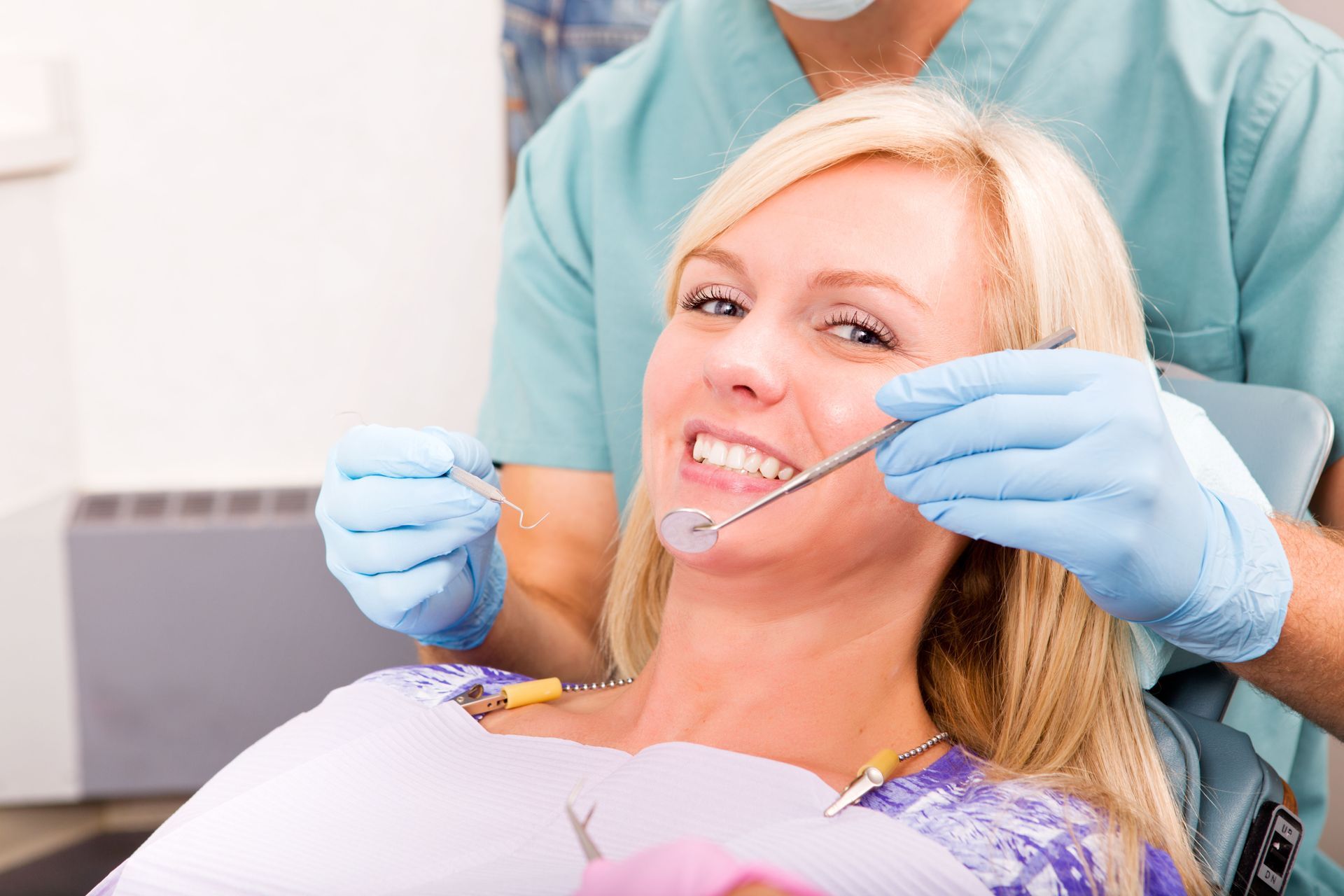
Daily activities, minor accidents, and nocturnal teeth grinding can cause subtle structural damage to your teeth and existing dental restorations. Microscopic fractures, loose fillings, and worn crowns can easily trap food debris and bacteria, creating a perfect environment for rapid bacterial growth. During a comprehensive examination, your provider uses specialized mirrors and tactile instruments to check the physical integrity of every tooth and restoration. Identifying these minor imperfections allows for simple repairs that prevent the entire structure from fracturing under normal biting pressure.
If small cracks or failing restorations are left untreated, they can expose the sensitive internal nerves of the tooth to temperature extremes and bacteria. This exposure often results in sudden, debilitating pain that requires immediate emergency treatment and significantly more expensive restorative solutions. Regular monitoring ensures that old materials are replaced before they fail, maintaining the structural strength of your bite. Keeping your existing restorations in pristine condition extends their lifespan and protects your natural teeth from secondary decay.
Analyzing Jaw Alignment
The proper functioning of your mouth relies heavily on the complex interactions between your jaw joints, facial muscles, and alignment of your teeth. Misalignments can create uneven biting forces that lead to chronic muscle tension, recurring headaches, and premature wear on specific teeth. Professional examinations include an assessment of your joint movement and bite patterns to ensure that your jaw functions smoothly without causing excessive strain. Detecting these alignment issues early allows for conservative therapies that alleviate discomfort and protect your joints from long-term damage.
Chronic jaw dysfunction can eventually lead to painful conditions that make chewing, speaking, and yawning exceedingly uncomfortable. Your provider can identify signs of nighttime grinding, such as flattened tooth surfaces or muscle tenderness, and recommend protective custom appliances to cushion your teeth. Addressing these mechanical issues early prevents the breakdown of the joint tissue and preserves the harmony of your facial structure. Comprehensive alignment evaluations ensure that your entire oral mechanism operates efficiently and comfortably every single day.
Educating Home Routines
While professional cleanings are essential, the care you provide to your teeth between office visits plays a monumental role in your long-term success. Every appointment serves as an educational opportunity where hygienists analyze your specific plaque patterns and offer personalized feedback on your brushing and flossing techniques. They can recommend specific tools, such as specialized brushes or therapeutic rinses, that target the unique architectural challenges of your mouth. This customized guidance empowers you to maximize the effectiveness of your morning and evening self-care habits.
Nutritional choices also heavily impact the health of your smile, and your provider can offer valuable advice on how dietary habits affect your enamel. Understanding how frequent snacking or acidic beverages contribute to demineralization helps you make informed choices that protect your teeth from chemical erosion. This collaborative educational approach transforms you into an active participant in your own healthcare journey, ensuring your daily habits complement professional clinical efforts. Relying on expert guidance eliminates guesswork and establishes a sustainable routine that keeps your smile bright and healthy.
Achieving and maintaining optimal oral wellness requires a proactive strategy that combines diligent home care with regular professional dental services. By systematically attending your scheduled checkups, you protect your smile from structural decay, monitor your periodontal health, receive critical cancer screenings, and address structural damage early. These routine interventions save you from unexpected discomfort and ensure that your natural teeth remain strong, functional, and beautiful for decades to come. When you are ready to prioritize your long-term health and experience exceptional care with a dedicated team of professionals, reach out to G&G Bright Diamonds Family Dentistry to schedule your comprehensive consultation.